How To Get Rid Of Dark Spots: 12+ Ideas That Actually Work
Heads up: some links are affiliate, so I may earn a tiny commission (at no extra cost to you!) on things I genuinely adore. Please read my Disclosure Policy for more.
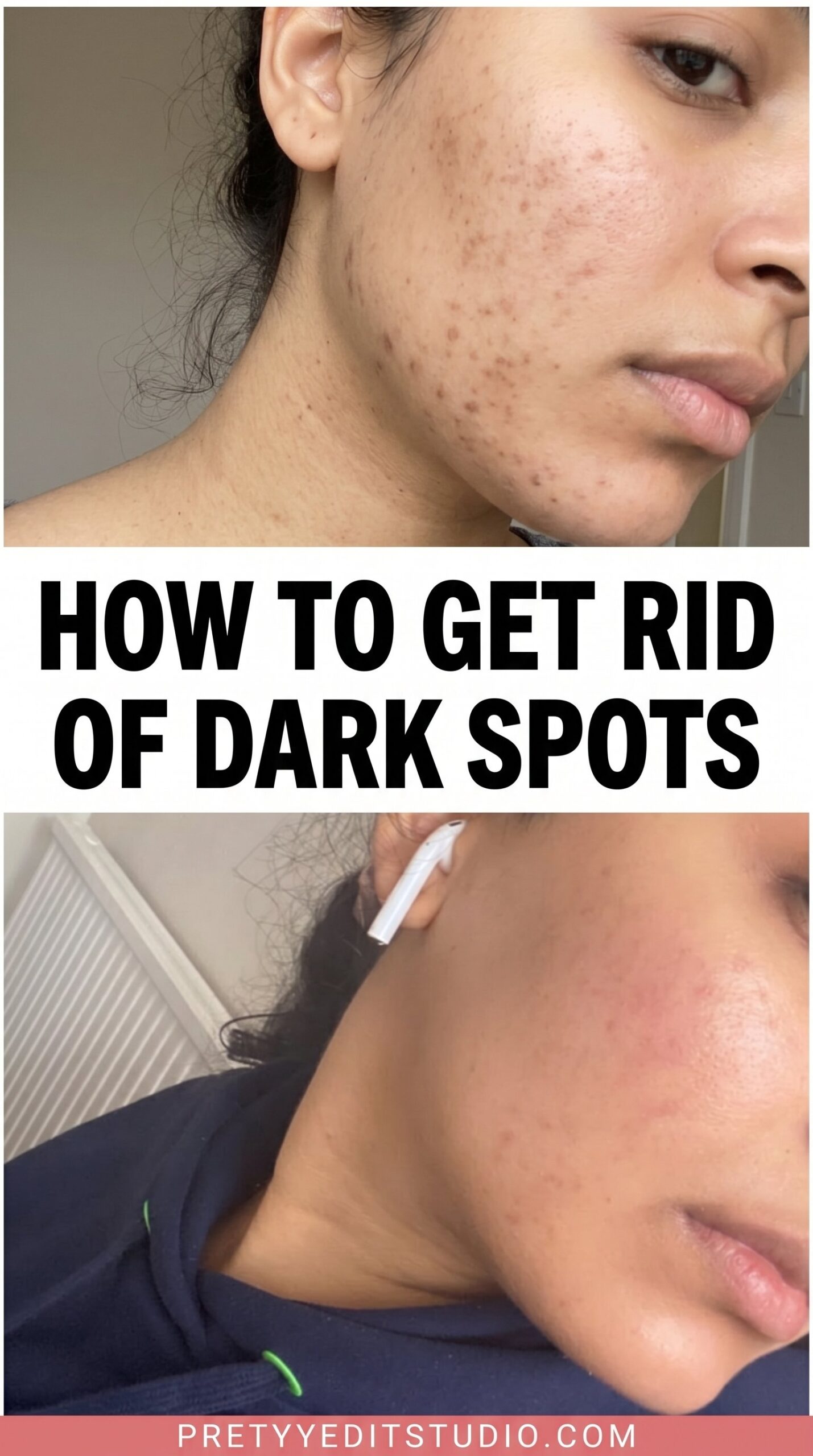
Dark spots have a way of showing up uninvited — after a breakout, a long summer, or years of skipping sunscreen — and then overstaying their welcome. The good news: most hyperpigmentation responds beautifully to the right mix of brightening actives and a few quiet lifestyle shifts. Here’s exactly how to fade them, and how to stop new ones from forming.
Whether you’re dealing with post-acne marks, melasma, or sun spots, the playbook is the same: calm the skin, slow melanin production, speed up cell turnover, and protect what you’ve healed. Below are 13 treatments worth your money and 9 habits worth your time.
Treatments That Fade Dark Spots
Think of these as the active ingredients doing the real fading work. Pick two or three that suit your skin and budget, and let them work together.
01Vitamin C Serum
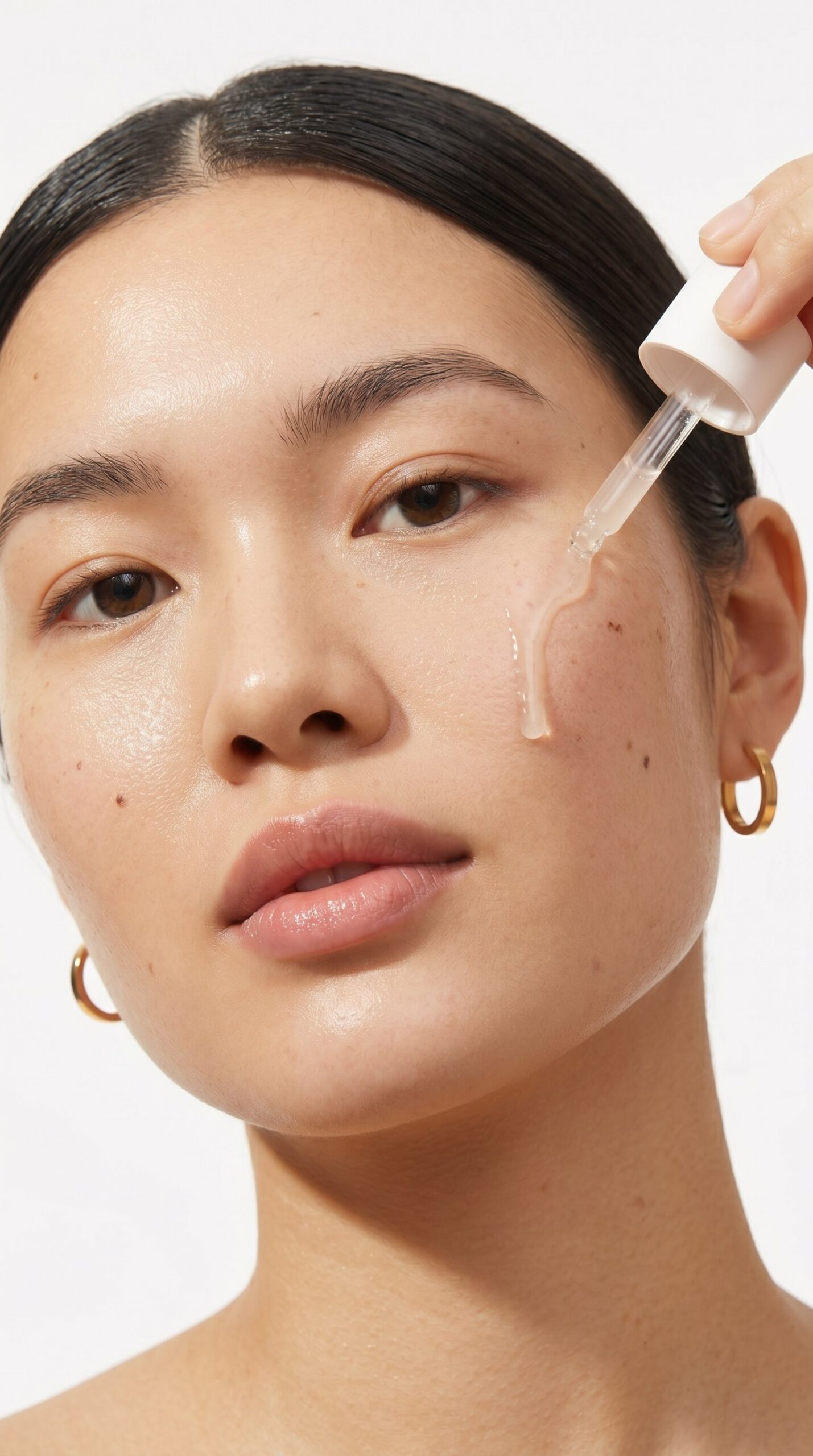
Vitamin C is the brightening multitasker every routine deserves. As an antioxidant, it interrupts the enzyme that produces excess melanin, so existing spots can fade and new ones form more slowly, while also softening overall dullness for that lit-from-within glow. Serums are often formulated with around 10–15% L-ascorbic acid; choose an opaque, air-tight bottle, apply it in the morning on clean skin, and always layer SPF over it — sunscreen and vitamin C are a power couple, and skipping the SPF undoes the work.
Why it works: It’s an antioxidant that neutralises free radicals while slowing tyrosinase, the enzyme behind excess melanin — so spots fade and skin looks brighter.How to use it: A few drops in the morning on clean skin, before moisturiser and SPF. Start every other day if your skin is sensitive.Shreya’s tip: Store it somewhere cool and dark — if your serum turns deep orange or brown, it’s oxidised and past its best.
Shop my favourite vitamin C serum02Niacinamide
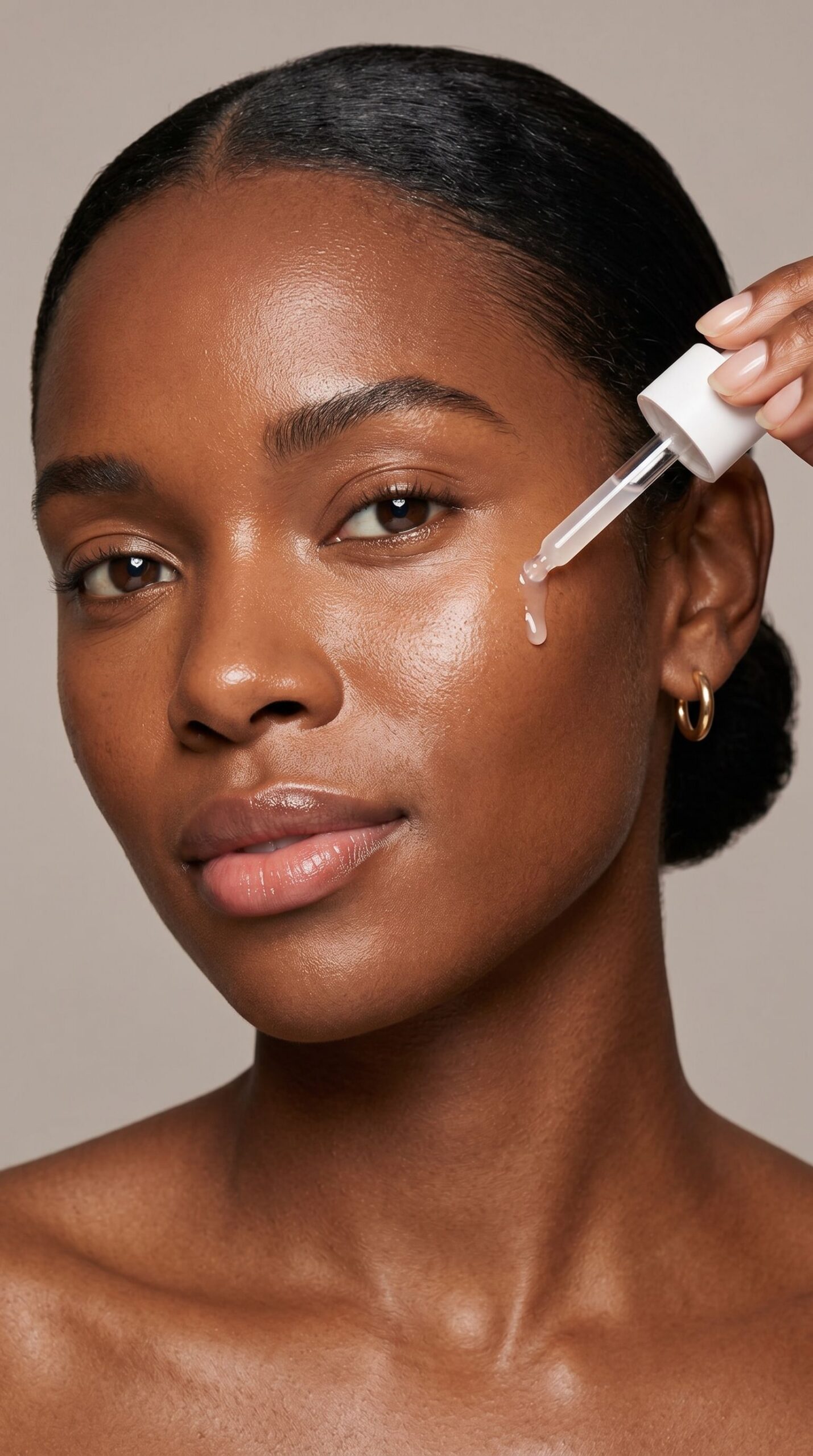
Niacinamide (vitamin B3) works on dark spots from a different angle: it helps limit the transfer of pigment to the surface skin cells, so discoloration has less chance to settle in. It’s also a barrier-builder, calming redness and regulating oil, which makes it one of the most widely tolerated actives out there. Concentrations around 5% are commonly used — gentle enough for daily use, while still doing visible work — and it layers happily under or over almost everything else in your routine.
Why it works: It helps stop pigment from travelling up to the surface skin cells, while strengthening your moisture barrier so skin stays calm and less reactive.How to use it: Morning or night, after watery serums and before heavier creams. Gentle enough for daily use.Shreya’s tip: It’s one of the most peaceable actives — if a new product breaks you out, niacinamide is rarely the culprit, so it’s a safe base to build on.
Shop niacinamide serum03Alpha Arbutin
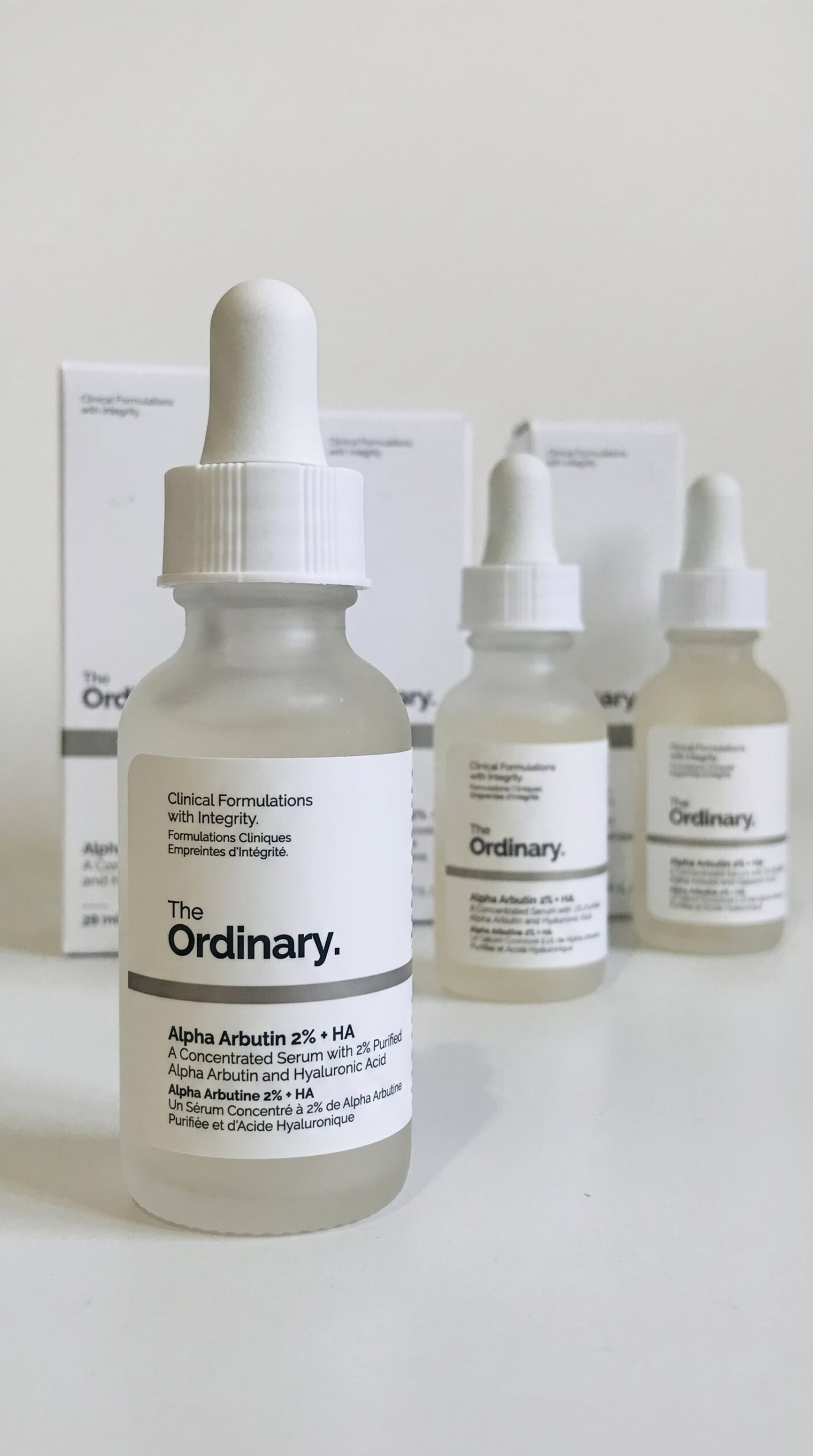
If you want noticeable brightening without the irritation or rebound risk associated with hydroquinone, alpha arbutin is a lovely option. Derived from bearberry, it releases its pigment-blocking power slowly and steadily, making it especially kind to sensitive and deeper skin tones. It’s typically used at around 2%, morning and night on clean skin before heavier creams, and pairs well with vitamin C or niacinamide for a brightening stack that compounds over weeks.
Why it works: It slowly releases a brightening action that blocks melanin production, far more gently than hydroquinone — so it rarely irritates or causes rebound darkening.How to use it: Twice a day on clean skin before richer creams. Pair with vitamin C or niacinamide for a brightening stack.Shreya’s tip: Especially worth it for deeper skin tones, where harsher brighteners risk uneven patches — arbutin is the gentler route.
Shop alpha arbutin04Azelaic Acid
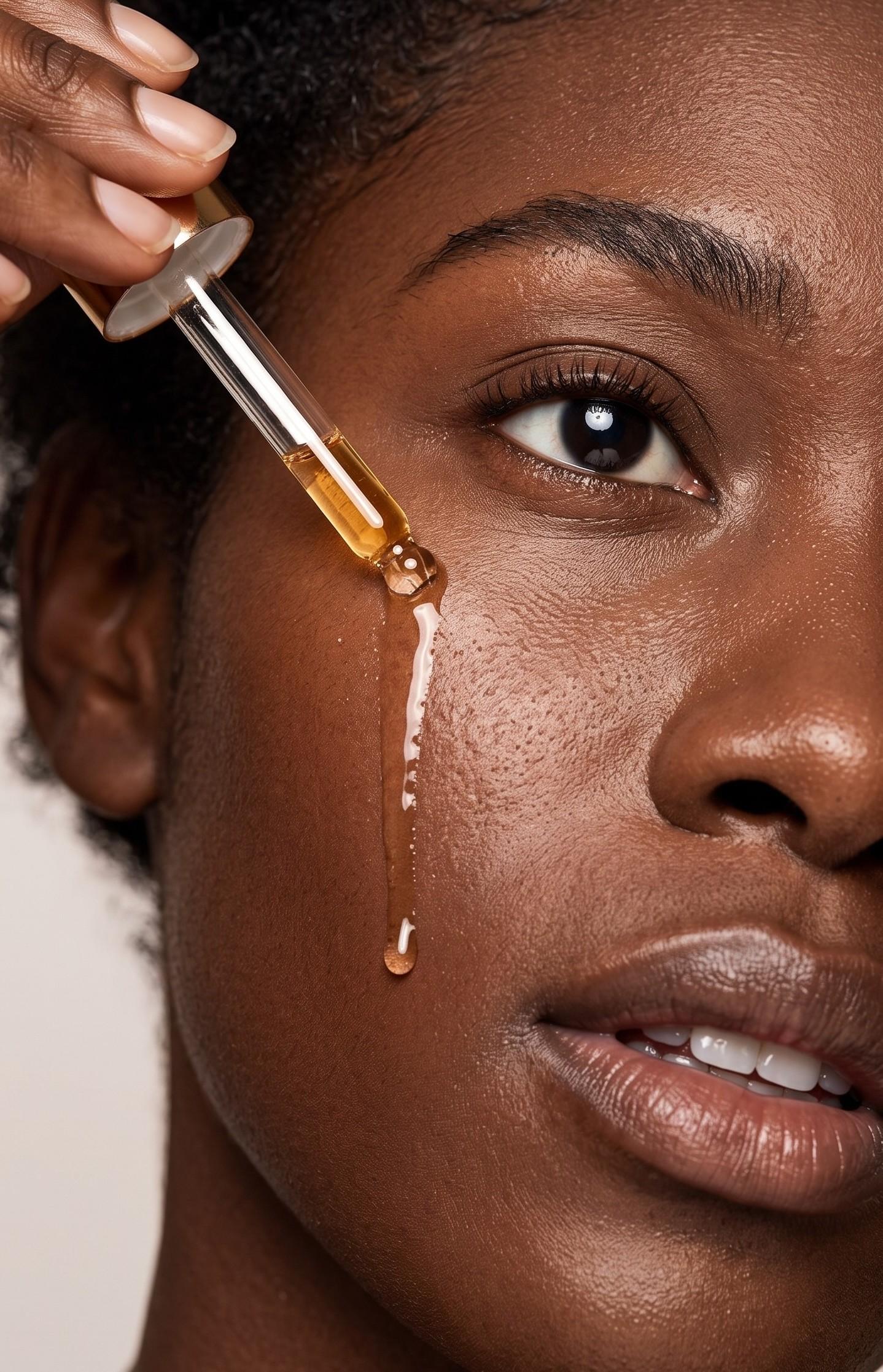
Azelaic acid is the quiet overachiever of the brightening world. It fades post-acne marks and melasma by calming the overactive pigment cells, and because it’s also anti-inflammatory and gently exfoliating, it tackles the breakouts that cause new spots in the first place. It’s also one of the few brighteners often considered compatible with pregnancy and breastfeeding — but “often” isn’t “always,” so clear it with your doctor first if that applies to you.
Why it works: It calms overactive pigment cells and is anti-inflammatory, so it fades marks and quietly treats the acne and redness that create new ones.How to use it: A thin layer a few nights a week to start, building up as tolerated. Can be layered under moisturiser.Shreya’s tip: Give it time — pigment and post-acne marks usually need a good three months of steady use before you’ll see the real change.
Shop azelaic acid05Tranexamic Acid
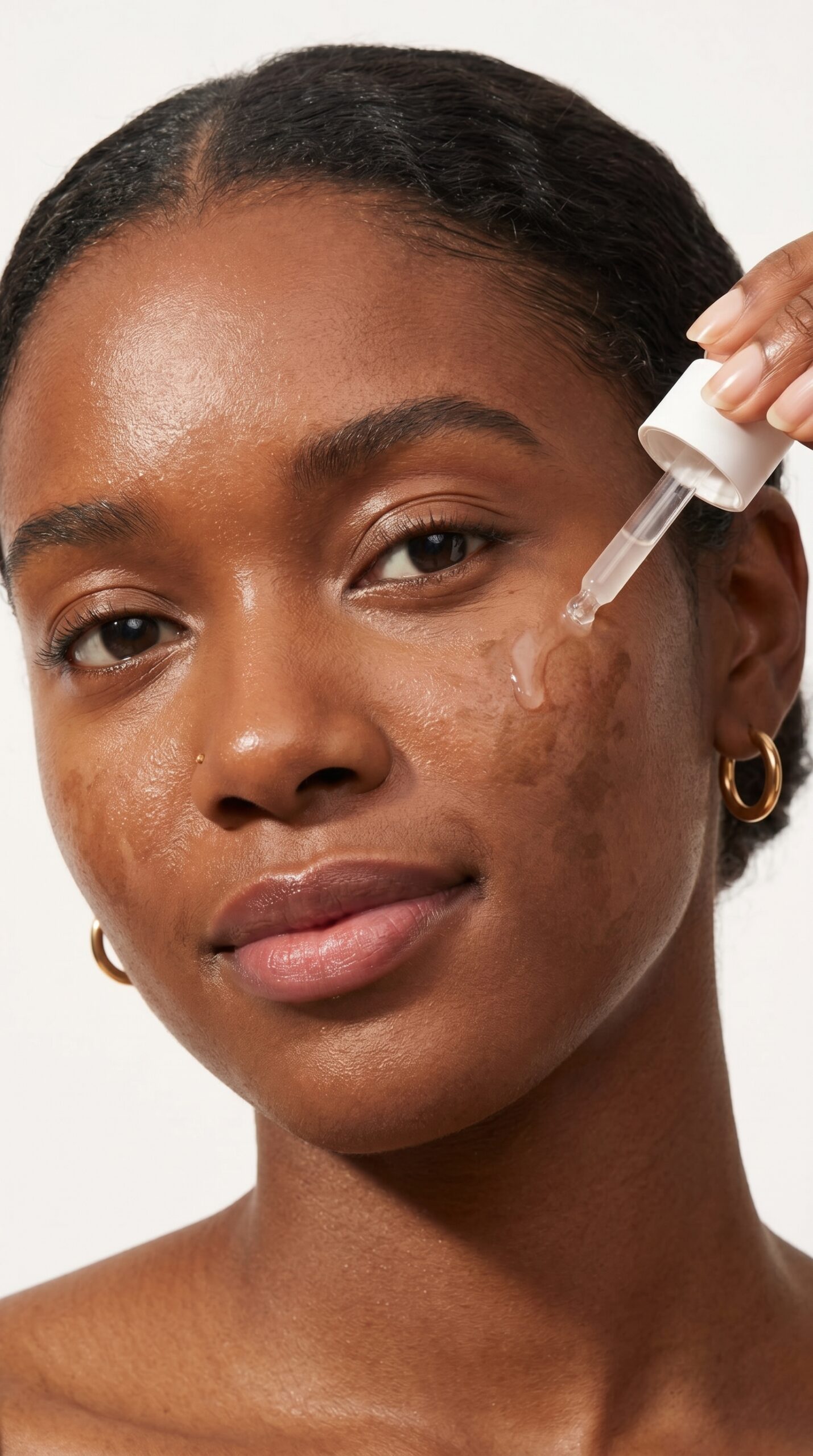
When melasma and stubborn discoloration refuse to budge with anything else, tranexamic acid is often the breakthrough. It interrupts the signal between your skin cells and pigment cells, calming the over-production at its source — which is why dermatologists increasingly reach for it with hormonal pigmentation. It’s beautifully non-irritating and tends to show its best results around the 8-to-12-week mark.
Why it works: It interrupts the signal between your skin cells and pigment cells, calming melanin over-production at the source — which is why it shines for hormonal melasma.How to use it: Morning and night, layered under your other brighteners. Non-irritating enough for twice-daily use.Shreya’s tip: If melasma is your main concern, this is the one to be patient with — results typically show around the 8–12 week mark.
We Promise Not to Clutter Your Inbox
Just the content worth opening — new hairstyles, nail trends, fashion finds, and the occasional "why did no one tell me this sooner" moment. That's it. That's the email.
06Retinoids (Retinol / Retinal)
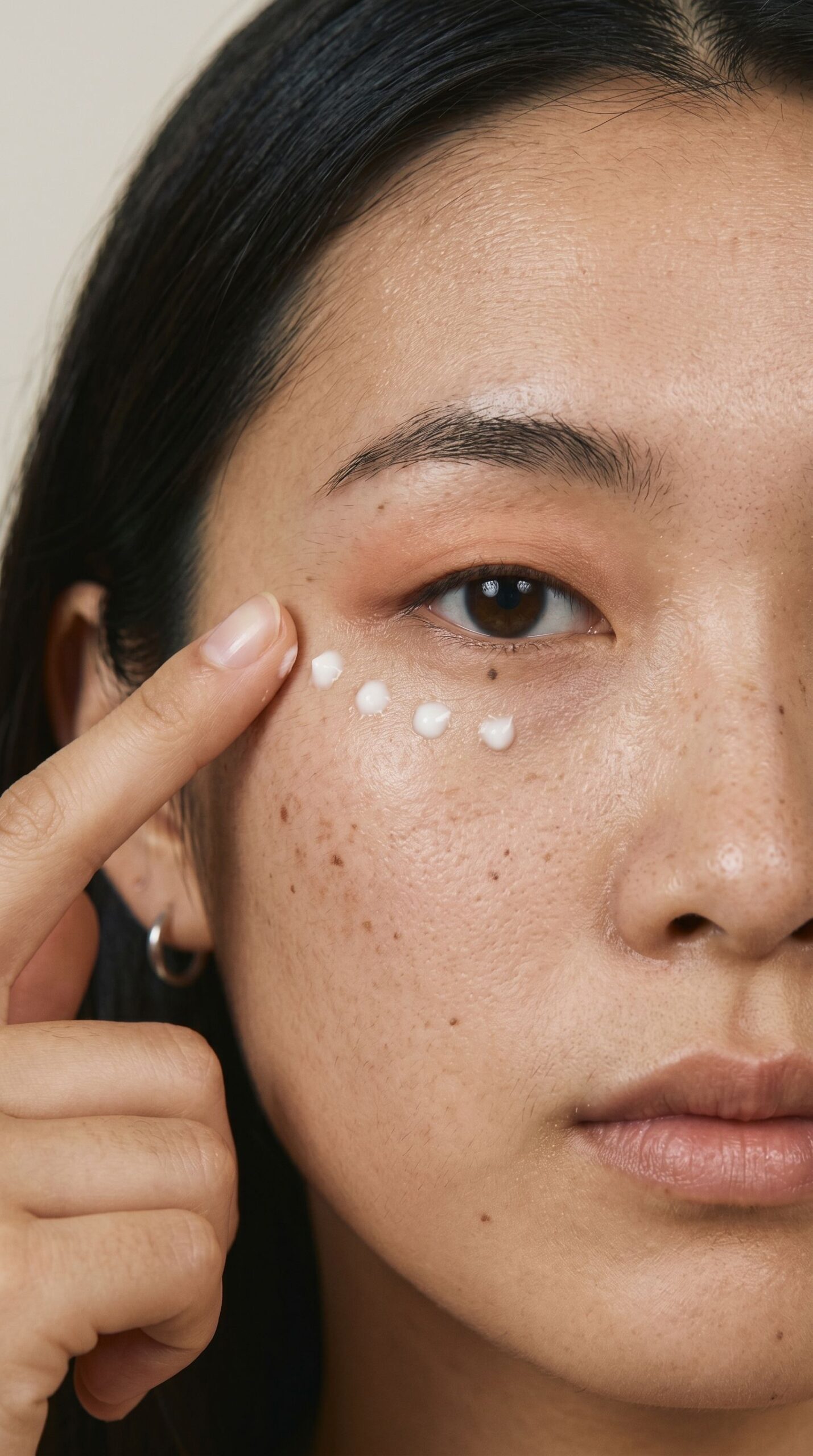
Retinoids are the gold standard for a reason: by accelerating cell turnover, they push pigmented cells to the surface and off your face faster, while building collagen that smooths texture along the way. Start low and slow — a pea-sized amount two nights a week, always buffered with moisturiser — and increase only as your skin tolerates it. Retinoids make skin sun-sensitive, so daytime SPF isn’t optional, and they should be skipped entirely during pregnancy.
Why it works: By speeding up cell turnover, they push pigmented cells off the surface faster and build collagen, smoothing texture as spots fade.How to use it: A pea-sized amount at night, two nights a week to start, always buffered with moisturiser. Increase slowly as skin adjusts.Shreya’s tip: Retinoids make skin sun-sensitive, so daytime SPF is non-negotiable — and skip them entirely during pregnancy.
Shop my go-to retinol07Gentle Exfoliation (AHAs)
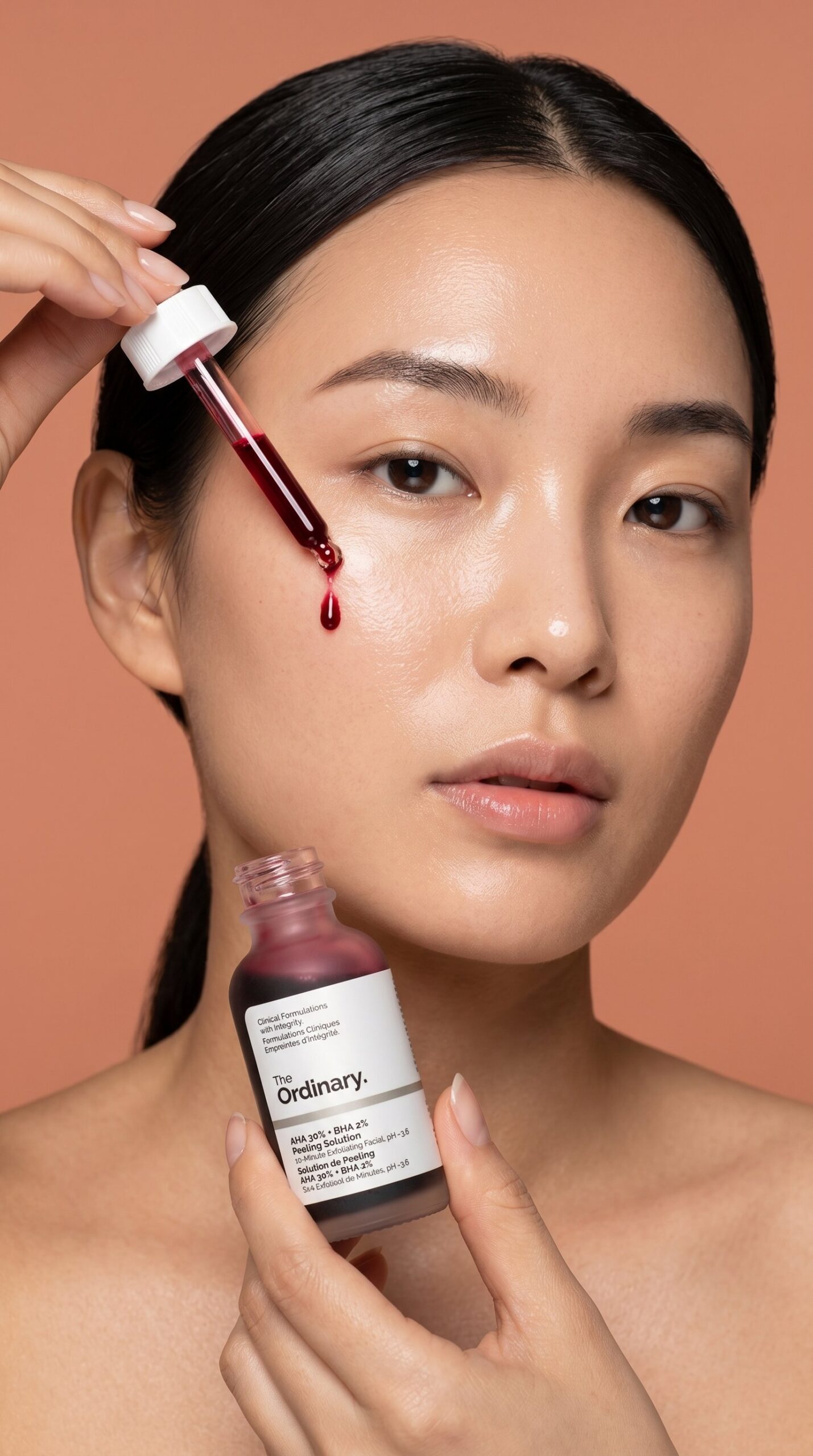
Pigmented dead cells sit on the surface long after a mark has formed, and gentle chemical exfoliation is how you encourage them to move on. Glycolic acid works across the surface for overall brightness, while lactic acid is milder and hydrating for sensitive skin. Two to three nights a week is plenty; over-exfoliating inflames the skin and can deepen the very spots you’re trying to fade.
Why it works: Gentle acids dissolve the bonds holding dull, pigmented dead cells in place, revealing fresher, more even skin underneath.How to use it: Two to three nights a week, on clean skin before moisturiser. Glycolic for oilier skin, lactic for sensitive.Shreya’s tip: More is not better here — over-exfoliating inflames skin and can deepen the very spots you’re trying to fade.
Shop AHA exfoliant08Kojic Acid

A by-product of the fermentation behind sake, kojic acid is a natural brightener that helps disrupt melanin production. It’s used for evening out overall tone and tackling sun-induced patchiness, and it’s commonly found in serums, creams and cleansing bars. Because it can be sensitising, introduce it gradually, patch test first, and never skip SPF. Its safety in pregnancy isn’t well established, so if you’re pregnant or breastfeeding, skip it and ask your doctor.
Why it works: It blocks tyrosinase to interrupt melanin production, helping even out overall tone and sun-induced patchiness.How to use it: Introduce gradually, always patch test, and follow with SPF. Wash-off formats like bars are gentlest.Shreya’s tip: Pair it with vitamin C in the day for a brighter result — but if you’re pregnant or breastfeeding, skip it and ask your doctor first.
Shop kojic acid09Vitamin C + Ferulic Acid Combos
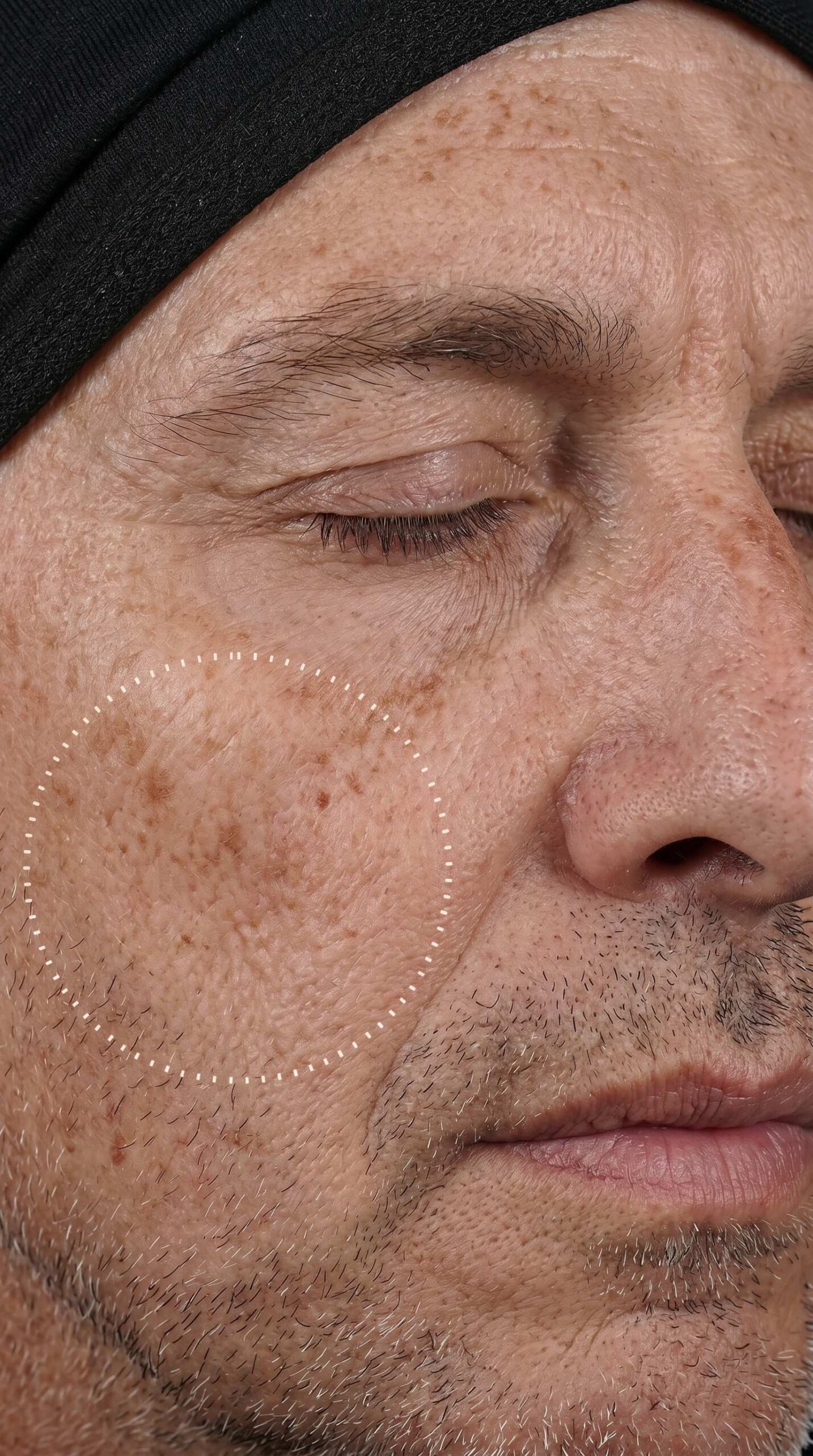
Once your skin is comfortable with a basic vitamin C, a C + ferulic acid formula is the natural upgrade. Ferulic acid stabilises vitamin C so it stays potent longer, and the two together create a more powerful antioxidant shield against the UV and pollution that drive pigmentation. Often blended with vitamin E for an extra layer of protection, these serums are a morning ritual — a few drops before SPF.
Why it works: Ferulic acid stabilises vitamin C so it stays potent longer, and together they form a stronger antioxidant shield against the UV and pollution that drive pigment.How to use it: A few drops each morning before SPF. Best introduced once your skin already tolerates a basic vitamin C.Shreya’s tip: It’s a morning product, not a night one — its real job is protecting your skin against the day’s UV and pollution.
Shop C + ferulic serum10Targeted Spot Correctors
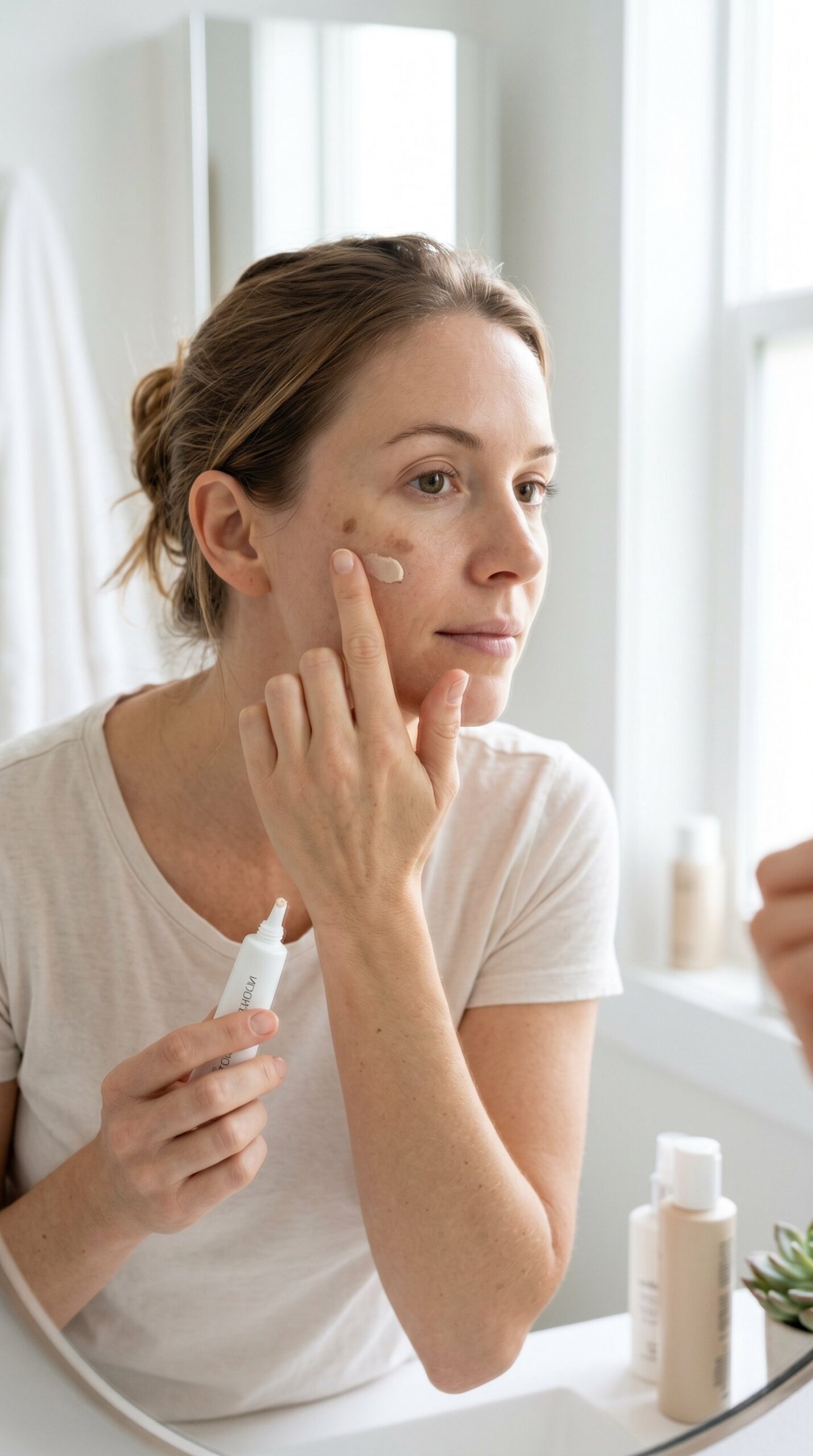
Sometimes you don’t want to treat your whole face — you just want to zap one or two specific marks. Targeted spot correctors concentrate brighteners like tranexamic acid, niacinamide and arbutin into a precise applicator so you can spot-treat without over-exposing the surrounding skin. They’re ideal for stubborn post-acne marks, and a tidy, travel-friendly way to keep working on a spot.
Why it works: These concentrate brighteners into a precise dose, so you treat the mark without over-exposing surrounding skin.How to use it: Dab onto the spot after cleansing, before all-over moisturiser. Ideal alongside a gentle full-face routine.Shreya’s tip: Perfect for travel and for stubborn single marks — you keep working on the spot without disrupting the rest of your face.
Shop spot corrector11Professional Chemical Peels
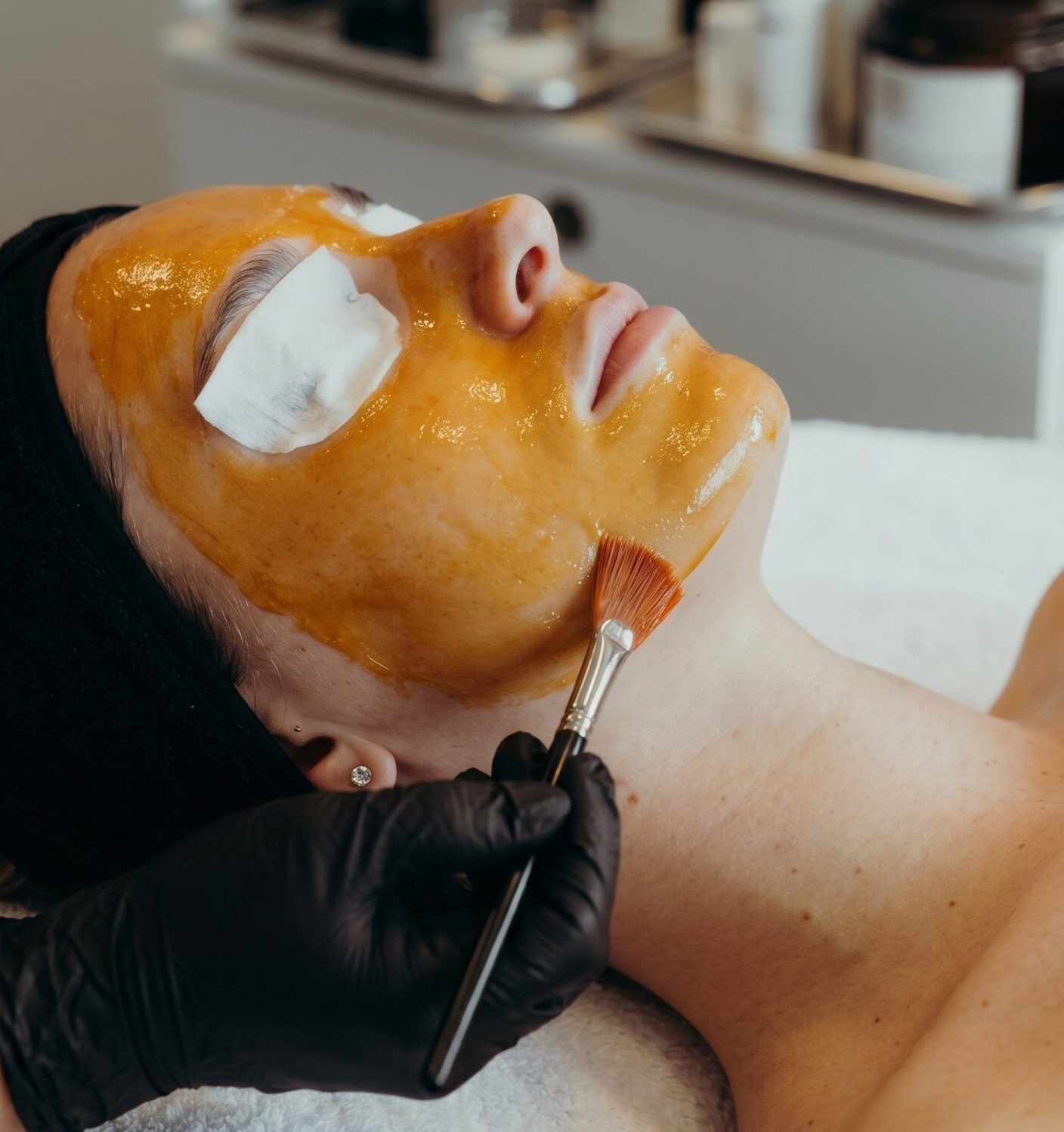
When at-home actives plateau, a professional chemical peel can reset your progress. A trained dermatologist or aesthetician applies a controlled acid solution that lifts away pigmented surface layers, prompting fresher, more even skin to regenerate — often in a short series spaced a few weeks apart. Peels can be tailored to your skin tone and concern, so always go to a qualified professional.
Why it works: A controlled acid solution lifts away pigmented surface layers in one go, prompting fresher, more even skin to regenerate.How to use it: In-clinic only, usually a short series spaced a few weeks apart, with strict SPF aftercare between sessions.Shreya’s tip: Always go to a qualified professional who can tailor the strength to your skin tone — the wrong peel on deeper skin can backfire.
Shop at-home peel pads12Microneedling
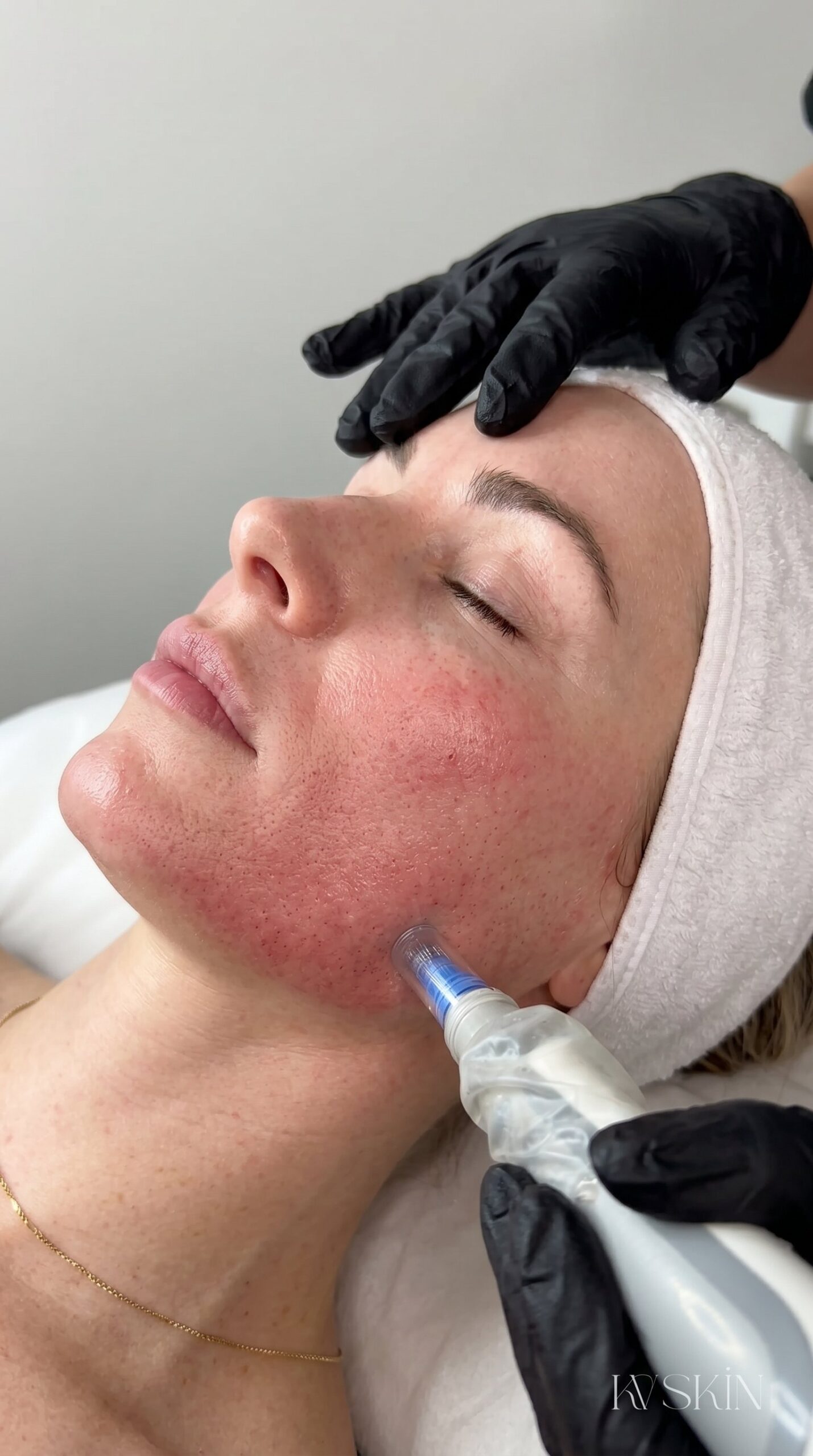
Microneedling creates tiny, controlled channels in the skin that kick off your natural repair response — boosting collagen, smoothing texture, and helping your brightening serums absorb far more deeply. It’s particularly useful for pigmentation paired with acne scarring, since it tackles both tone and texture at once. For dark spots and deeper skin tones especially, this is one to leave to a professional.
We Promise Not to Clutter Your Inbox
Just the content worth opening — new hairstyles, nail trends, fashion finds, and the occasional "why did no one tell me this sooner" moment. That's it. That's the email.
Why it works: Those micro-channels kick off your skin’s natural repair response, boosting collagen and helping brightening serums absorb far deeper.How to use it: Best done professionally, spaced several weeks apart, with gentle aftercare and no actives right afterwards.Shreya’s tip: Great when pigment comes with acne scarring, since it treats tone and texture at once — but leave depth and technique to a pro, especially on deeper skin.
13Laser & IPL Treatments
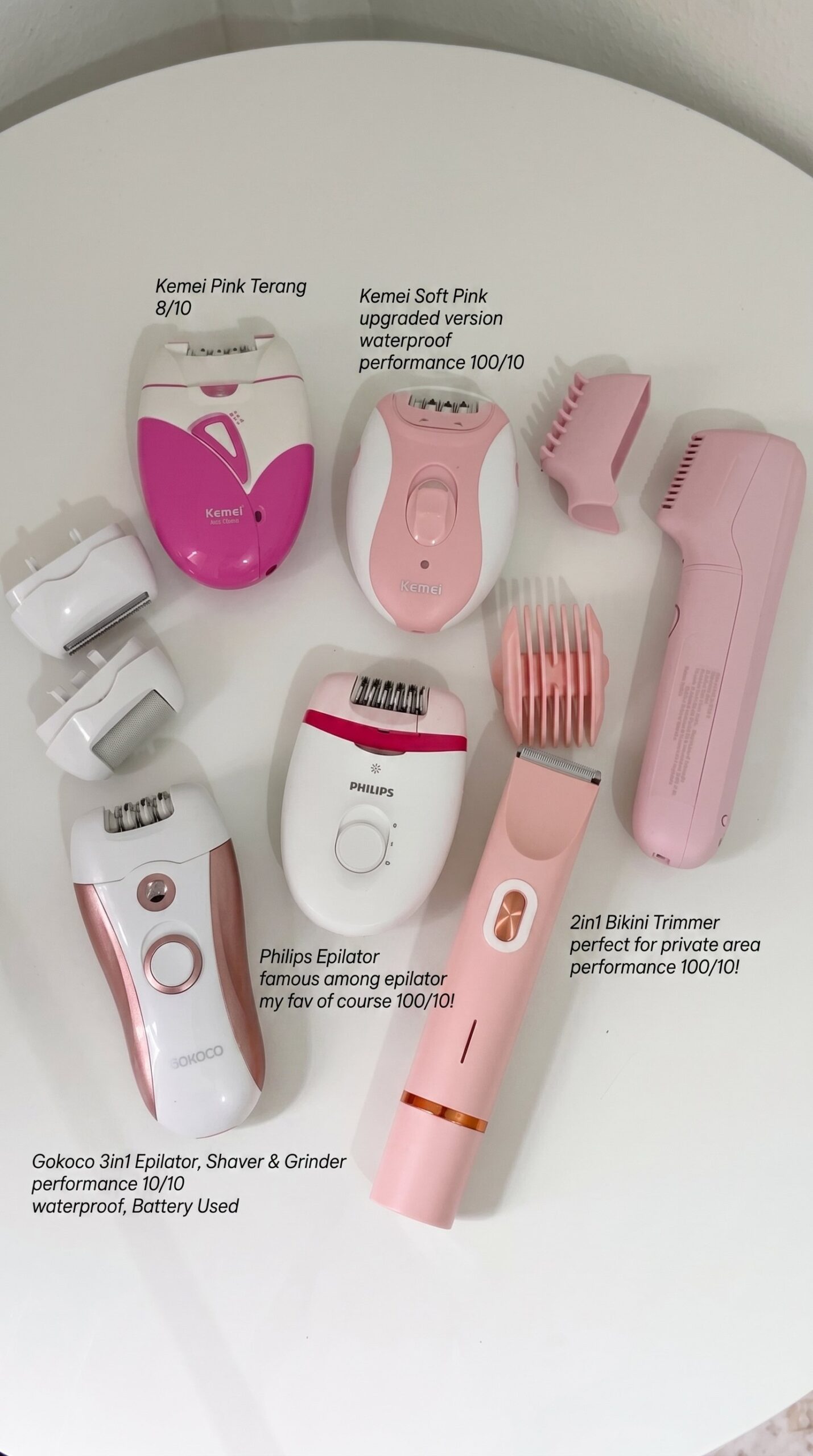
For sun spots and stubborn pigmentation that won’t respond to anything topical, laser and IPL (intense pulsed light) are the heavy hitters. They target melanin with focused light energy, breaking up clusters of pigment that your body then clears away, often with noticeable results. They’re powerful and not suited to every skin tone — on deeper skin especially, the wrong device or setting can worsen pigmentation — so this is strictly expert territory.
Why it works: Focused light energy targets and breaks up clusters of melanin, which your body then gradually clears away.How to use it: In-clinic only, after a proper consultation, with diligent SPF and aftercare following each session.Shreya’s tip: Not suited to every skin tone — choose a practitioner experienced with your specific skin, as the wrong device can worsen pigmentation.
Shop at-home IPL deviceLifestyle Fixes That Keep Spots From Coming Back
All the serums in the world can’t outpace habits that keep creating new spots. These nine everyday fixes are what make your results actually last.
01Wear SPF Every Single Day
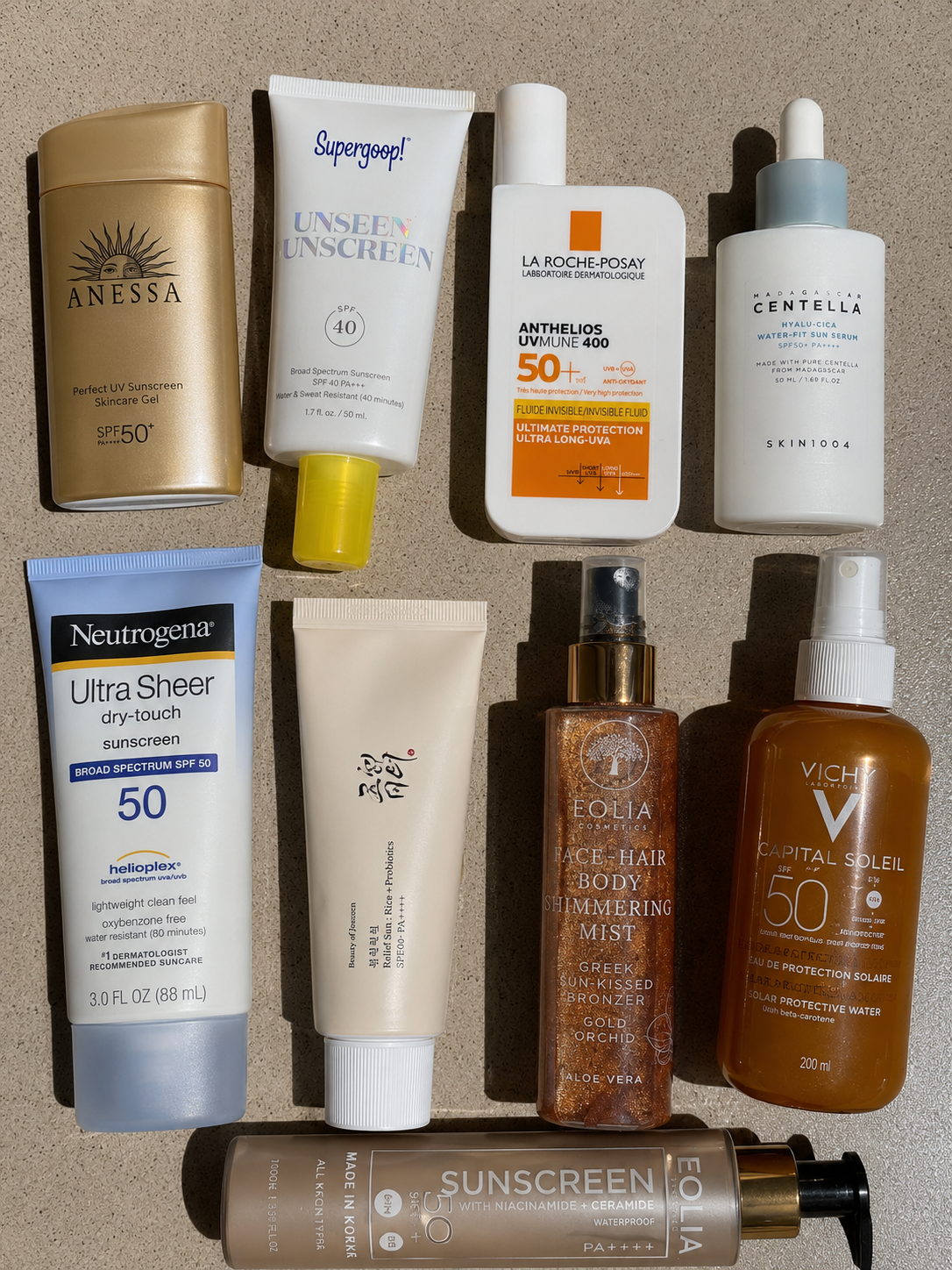
This is the single most important step, full stop. UV exposure is the number-one reason dark spots form and the number-one reason they come back. Wear a broad-spectrum SPF 30 or higher every morning — yes, even on cloudy days, even indoors near windows — and reapply every two hours when you’re out. A tinted mineral SPF is a lovely bonus, since visible light also worsens melasma.
Why it works: UV light is the number-one trigger for both forming dark spots and bringing faded ones back, so blocking it protects every other step you take.How to use it: Broad-spectrum SPF 30+ every morning, reapplied every two hours outdoors. A tinted mineral formula adds visible-light protection.Shreya’s tip: A few unprotected afternoons can undo weeks of brightening — treat SPF as the non-negotiable that makes everything else worth doing.
Know more about SPF02Never Pick at Breakouts

It’s the hardest habit to break and the one that costs you the most. Every time you squeeze or pick at a spot, you drive inflammation deeper and trigger the pigment response that turns a three-day pimple into a three-month mark. Keep your hands off, treat active breakouts with a hydrocolloid patch or a targeted spot treatment instead, and let them heal undisturbed.
Why it works: Picking drives inflammation deeper and triggers the pigment response that turns a short-lived pimple into a months-long mark.How to use it: Leave breakouts alone; cover them with a hydrocolloid patch or treat with a targeted spot product instead.Shreya’s tip: A pimple patch isn’t just protection — it’s a physical reminder that keeps your fingers off while the spot heals undisturbed.
Shop pimple patches03Stay Hydrated
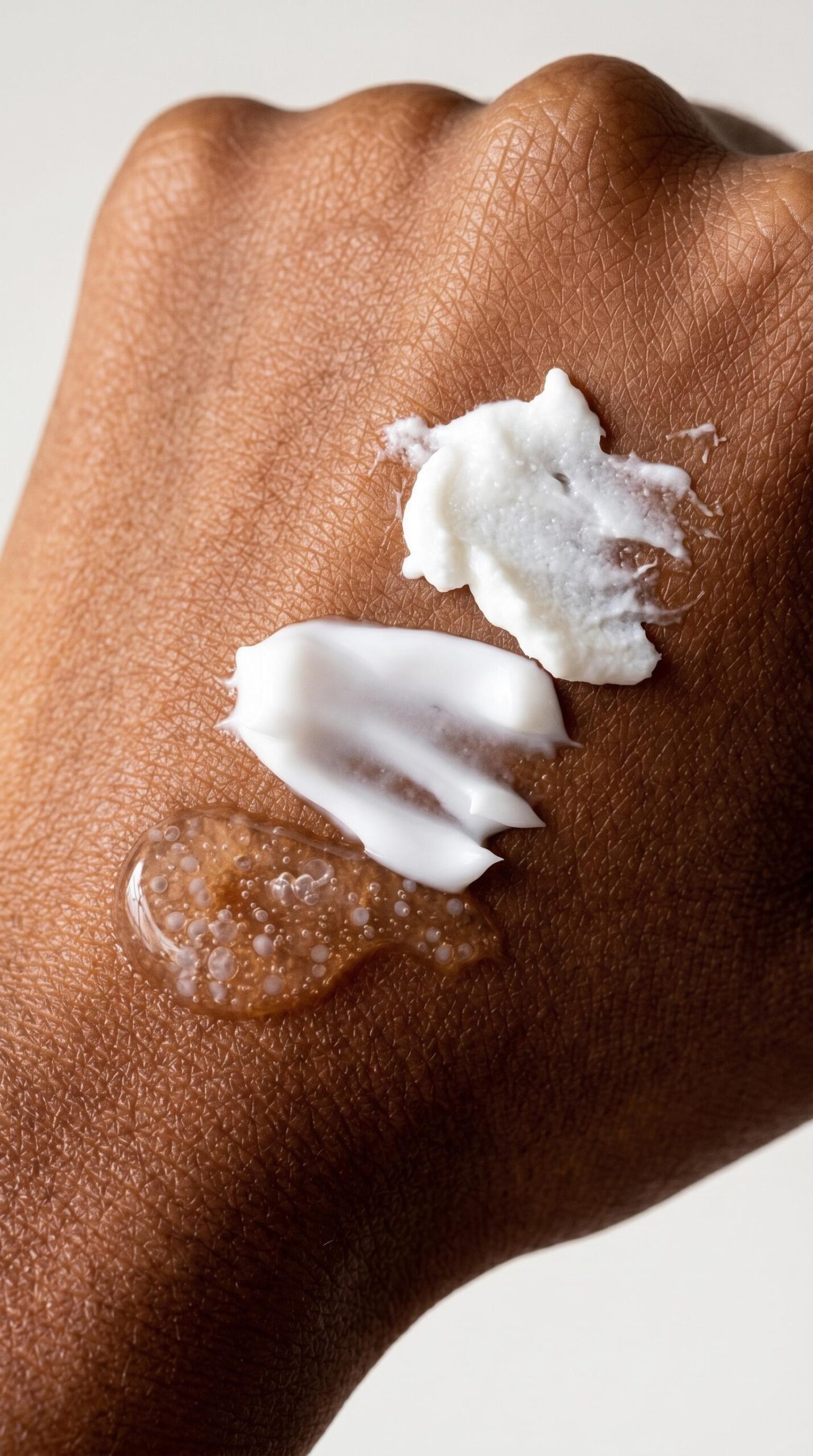
Hydration is the quiet backbone of every brightening routine. Well-hydrated skin has a stronger barrier, which means it heals faster, tolerates actives better, and recovers from inflammation before it has a chance to leave a mark. A good moisturiser with hyaluronic acid, glycerin or ceramides locks in moisture and keeps your skin resilient enough to do the repair work your serums are asking of it.
Why it works: A well-hydrated barrier heals faster, tolerates actives better, and recovers from inflammation before it can leave a mark.How to use it: Apply a moisturiser with hyaluronic acid, glycerin or ceramides morning and night, over your serums.Shreya’s tip: Hydrated skin simply handles brighteners better — moisturising well is what lets you use your actives consistently without irritation.
Shop hydrating moisturiser04Eat Antioxidant-Rich Foods

What you eat shows up on your skin over time. Antioxidant-rich foods — berries, leafy greens, citrus, tomatoes, green tea — help neutralise the free radicals from sun and pollution that drive pigment production, supporting your topical efforts from the inside. Think of a colourful plate as the foundation your serums build on.
Why it works: Dietary antioxidants help neutralise the free radicals from sun and pollution that drive pigment production, supporting your topicals from the inside.How to use it: Build colourful plates — berries, leafy greens, citrus, tomatoes, green tea — most days.Shreya’s tip: Think of food as the foundation your serums build on, not a replacement for them — and easy on the sugar spikes, which feed inflammation.
05Prioritise Sleep

Your skin does the bulk of its repair work while you sleep, ramping up cell renewal and barrier recovery overnight. Skimp on rest and you raise cortisol, slow that repair, and make existing pigmentation harder to shift. Aim for seven to nine consistent hours, give your night actives time to work, and consider a silk pillowcase to reduce friction.
We Promise Not to Clutter Your Inbox
Just the content worth opening — new hairstyles, nail trends, fashion finds, and the occasional "why did no one tell me this sooner" moment. That's it. That's the email.
Why it works: Overnight, cell renewal and barrier recovery ramp up; skimp on rest and rising cortisol slows that repair and makes pigment harder to shift.How to use it: Aim for seven to nine consistent hours, and apply your night actives before bed so they work as you rest.Shreya’s tip: A silk pillowcase reduces friction and tug on the skin — a small, restful upgrade that quietly compounds over months.
Shop silk pillowcase06Manage Stress

Stress isn’t just a feeling — it’s a hormonal cascade that shows up on your face. Elevated cortisol can worsen melasma, ramp up inflammation, and trigger the breakouts that leave marks behind. You don’t need a perfect wellness routine; gentle movement, a few minutes of breathing, time outdoors and protected downtime genuinely register on your skin over time.
Why it works: Elevated cortisol can worsen melasma, fuel inflammation, and trigger the breakouts that leave marks behind — stalling your routine no matter how good your products are.How to use it: Build in small daily resets: gentle movement, a few minutes of breathing, time outdoors, protected downtime.Shreya’s tip: You don’t need a perfect wellness routine — even tiny, consistent calming habits register on your skin over time.
07Cleanse Gently
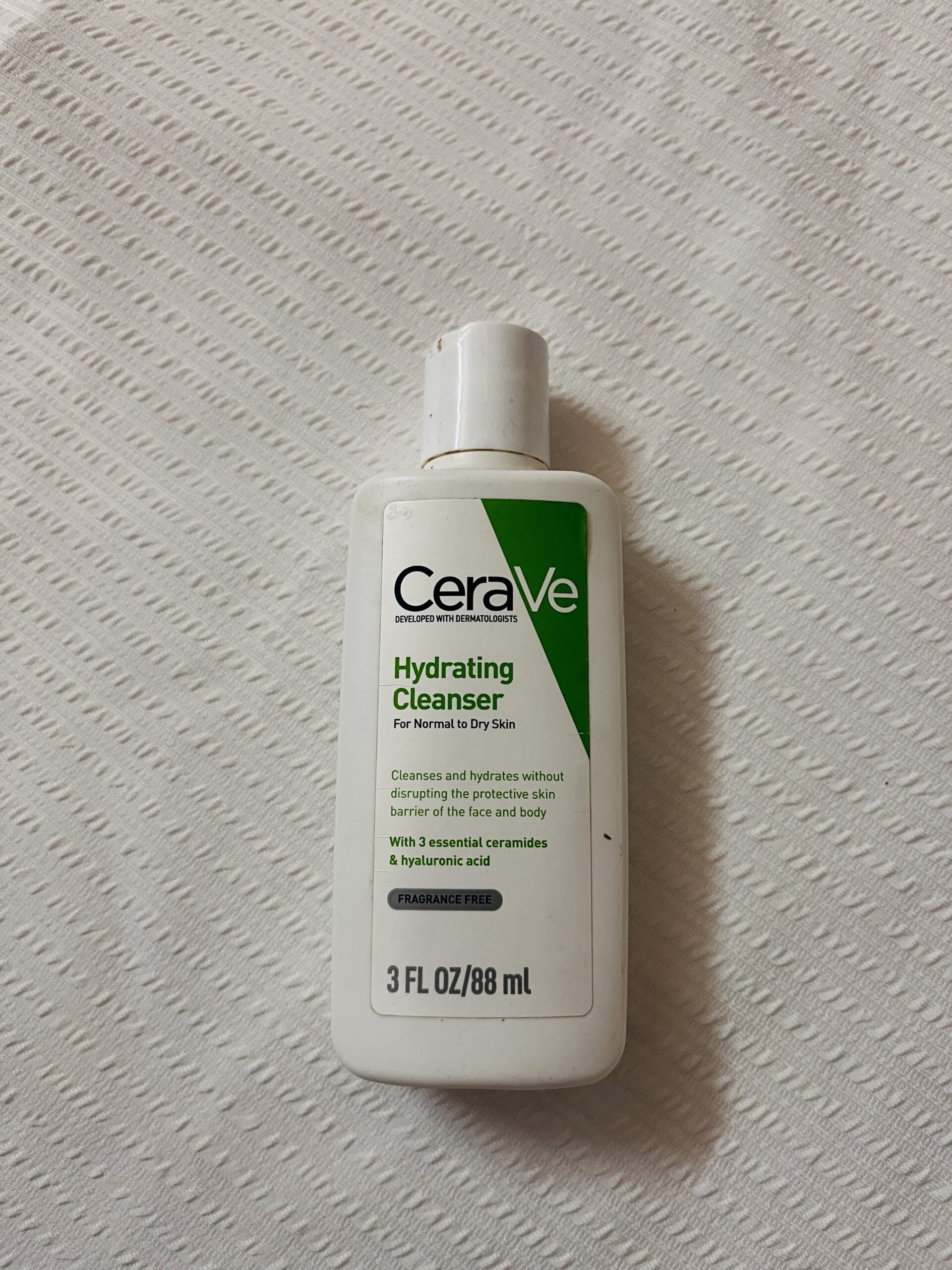
How you cleanse sets the tone for everything that follows. Harsh scrubs, rough washcloths and stripping foaming cleansers create micro-inflammation that can deepen marks and weaken the barrier your actives rely on. Switch to a soft, pH-balanced, non-stripping cleanser, use lukewarm water, and pat — never rub — your skin dry.
Why it works: Harsh scrubbing and stripping cleansers create micro-inflammation that can deepen marks and weaken the barrier your actives depend on.How to use it: Use a soft, pH-balanced cleanser with lukewarm water, and pat — never rub — your skin dry.Shreya’s tip: Gentleness here is active, not passive — protecting your barrier is what lets the rest of your routine actually work.
Shop gentle cleanser08Wear Hats & Sunglasses

Sunscreen is essential, but it’s not a force field — physical shade does the heavy lifting SPF can’t. A wide-brimmed hat and good UV sunglasses block the direct light that drives melasma and dark spots, protecting the delicate skin around your eyes where pigmentation loves to settle. Treat them as part of your skincare, not just an accessory.
Why it works: A hat and UV sunglasses physically block the direct light that drives melasma and protect the delicate, pigment-prone skin around your eyes.How to use it: Wear a wide-brimmed hat and good UV sunglasses whenever you’re out in bright sun, over your SPF.Shreya’s tip: Treat them as skincare, not just accessories — on bright days the brim and lenses do as much as anything in a bottle.
Shop wide-brim hat09Be Consistent & Patient
This is the fix that makes all the others work. Pigmentation forms over months and fades over months — most actives need a steady 8 to 12 weeks before you’ll see real change, and chasing quick fixes by piling on too many products at once usually irritates skin and sets you back. Choose two or three treatments, use them faithfully, protect with SPF, and trust the process.
Why it works: Pigment forms over months and fades over months; consistent use lets actives do their slow work, while chasing quick fixes just irritates skin and sets you back.How to use it: Pick two or three treatments, use them faithfully, protect with SPF, and give it 8–12 weeks before judging.Shreya’s tip: Slow and steady genuinely wins — a simple routine you actually stick to beats an elaborate one you abandon.
Fading dark spots is a patience game — but it absolutely works. Choose a few treatments that suit your skin, protect your progress with daily SPF, and stay consistent. Your most even, glowing skin is closer than you think. 🤍
I’m Shreya — here to make beauty feel fun, not like homework. Honest edits, easy recipes, zero gatekeeping.
Welcome in, gorgeous. Let’s glow. 🤍